Confused about tears or tares? You’re not alone!
These words look alike and even sound similar, but their meanings are very different.
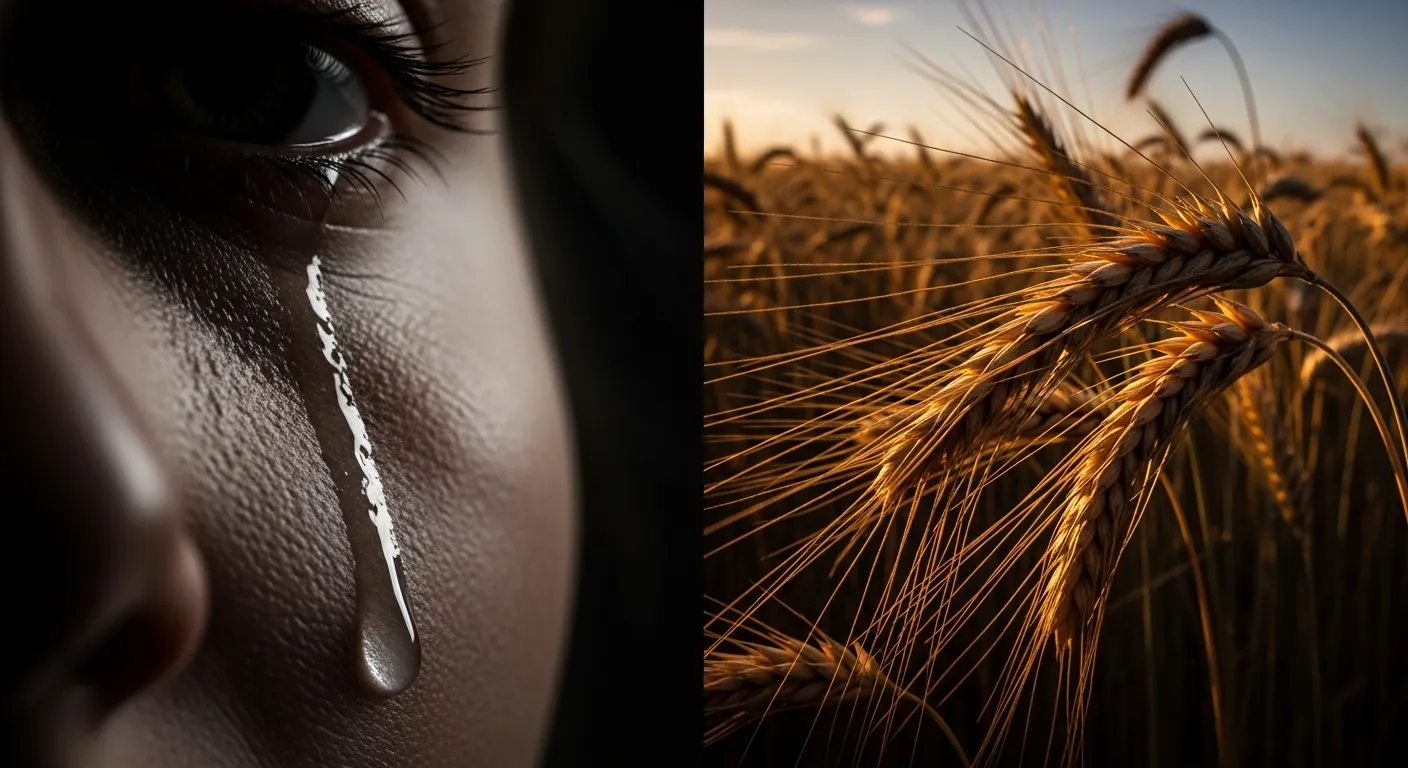
Tears can mean crying or ripping something, while tares are weeds rare and mostly seen in farming or old texts.
Using the wrong one can make your writing confusing, whether in emails, blogs, exams, or social media.
This guide will give you quick answers, clear examples, and simple tips so you never mix up tears or tares again.
Tears or Tares – Quick Answer
Tears is the common word.
Tares is rare and used in farming.
✅ Tears
- Drops from your eyes when you cry.
- She wiped her tears.
- She wiped her tears.
- The act of ripping something.
- He tears the paper.
- He tears the paper.
✅ Tares
- A type of weed that grows with wheat.
- The farmer removed the tares.
- The farmer removed the tares.
Most of the time, you need tears.
The Origin of Tears or Tares
Tears
The word “tear” (crying) comes from Old English. It has been used for centuries in poems, books, and speech.
The word “tear” (rip) has a different root but looks the same. English often keeps old spellings even when meanings change.
You can see “tears” used in famous works like the Bible and classic literature. Writers like William Shakespeare often used “tears” in emotional scenes.
Tares
“Tares” comes from old farming language. It refers to a weed called vetch. The word appears in the Bible, especially in the Parable of the Wheat and the Tares in the Bible.
Over time, “tares” became less common in everyday English. Today, you mostly see it in religious or agricultural contexts.
That is why people confuse the two. One word stayed common. The other became rare.
British English vs American English Spelling
Good news: there is no spelling difference between British and American English for these words.
Both versions of English use:
- Tears
- Tares
The difference is meaning, not region.
Comparison Table
| Word | Meaning | Common in US | Common in UK | Usage Type |
| Tears | Crying drops / ripping | Yes | Yes | Very common |
| Tares | Weed in wheat fields | Rare | Rare | Agricultural / Biblical |
Unlike words such as Oxford English Dictionary examples like “color/colour,” this pair does not change by country.
Which Spelling Should You Use?
It depends on meaning, not location.
Use “tears” if:
- You are talking about crying.
- You are talking about ripping.
- You are writing emails, blogs, stories, or news.
Use “tares” if:
- You are writing about farming.
- You are discussing biblical stories.
- You are explaining plant science.
Audience-Based Advice
- US audience → Mostly “tears.”
- UK/Commonwealth audience → Mostly “tears.”
- Global audience → Use “tears” unless you mean weeds.
In modern writing, 99% of the time, you need tears.
Common Mistakes with Tares or Tears
Here are frequent errors:
❌ Wrong:
She had tares in her eyes.
✅ Correct: She had tears in her eyes.
❌ Wrong:
The paper tares easily.
✅ Correct: The paper tears easily.
❌ Wrong:
The farmer removed tears from the field.
✅ Correct: The farmer removed tares from the field.
Why These Mistakes Happen
- Similar spelling.
- Similar sound.
- Autocorrect confusion.
- Lack of exposure to “tares.”
Always check the meaning before choosing.
Tears Vs Tares in Everyday Examples
Let’s see real-life usage.
1. Emails
- I read your message with tears in my eyes.
- The packaging tears too fast.
You would never use “tares” here.
2. News Writing
- The speech brought tears to many people.
- The fabric tears under pressure.
Again, “tears” is correct.
3. Social Media
- That movie gave me tears.
- My heart tears apart thinking about it.
4. Formal Writing
- The child’s tears showed deep sadness.
- The material tears at high temperature.
5. Religious or Agricultural Writing
- The parable warns about separating wheat from tares.
- The farmer destroyed the tares before harvest.
Here, “tares” is correct.
Tears or Tares – Google Trends & Usage Data
Search data shows a huge difference.
- “Tears” is searched worldwide every day.
- “Tares” has very low search volume.
- Most searches for “tares” relate to biblical study.
In countries like:
- United States
- United Kingdom
- Canada
- Australia
“Tears” dominates in everyday searches.
“Tares” appears mostly in religious research or farming topics.
This shows that “tears” is part of daily language, while “tares” is specialized vocabulary.
Comparison Table – Tears vs Tares
| Feature | Tears | Tares |
| Part of Speech | Noun / Verb | Noun |
| Meaning | Crying drops / ripping | Weed plant |
| Common Usage | Very high | Very low |
| Used in Daily Speech | Yes | Rare |
| Religious Context | Sometimes | Yes |
| Farming Context | No | Yes |
FAQs:
1. Are tears and tares pronounced the same?
Sometimes yes. “Tares” sounds like “tairs.” “Tears” can sound like “teers” or “tairs,” depending on meaning.
2. Is tares an old English word?
Yes. It is mostly found in old religious and farming texts.
3. Can tares mean crying?
No. Only “tears” relates to crying.
4. Is tares used in modern writing?
Very rarely. Mostly in biblical or agricultural context.
5. Why does tears have two meanings?
English keeps old spellings even when meanings differ.
6. Is this a British vs American issue?
No. Both use the same spelling.
7. How can I remember the difference?
Think:
Tears = Emotion or ripping.
Tares = Tiny weeds in wheat.
Conclusion:
The difference between tears or tares is simple once you know the meaning. Tears is the common word. It refers to crying or ripping.
You will use this word almost every day in writing and speech.
“Tares,” on the other hand, is a rare word. It describes weeds that grow in wheat fields. You will mostly see it in farming discussions or biblical stories. Outside those topics, it almost never appears.
There is no difference between British and American spelling. The rule depends only on meaning.
If you are unsure, ask yourself: Am I talking about emotion or ripping? If yes, choose “tears.” If you are talking about weeds, choose “tares.”
Clear spelling builds trust. It improves your writing. And it helps readers understand you without confusion.
Now you can confidently choose the right word every time.
Discover More About:
Maxxed or Maxed: Which Spelling Is Correct?
Trialled or Trialed: Which Spelling Is Correct? (2026)

I’m a U.S. based content writer and language researcher with a strong focus on English grammar, spelling differences, and frequently confused terms. My writing is aimed at helping readers write more clearly and correctly in daily use, workplace communication, and digital content.